
HN repeatedly calls it the best in-depth introduction to IC manufacturing, a sense-of-awe talk by an independent engineer, while wishing for an updated version.
Topics › Computing History & Culture
The best hacker culture & free software videos, according to Hacker News
58 videos about hacker culture & free software that Hacker News commenters keep pointing each other to, ranked by how many separate months they were recommended. Part of Computing History & Culture.

HN commenters recommend it as an intimate, embedded look at late-90s web history and the spirit of building something important under pressure.

Recommended as the best account of Blender's history and its user-focused approach as a free software success story.

HN returns to it constantly as a prescient talk, cited whenever threads cover DRM, locked-down devices, app verification or restrictions on running your own software.
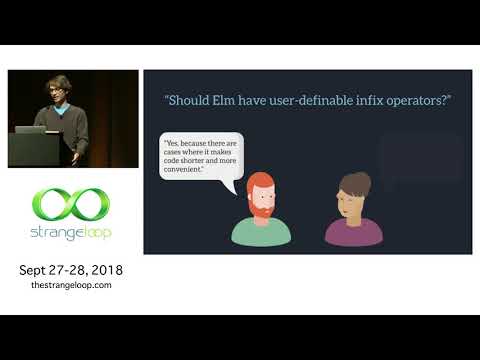
HN recommends it as an insightful look at the people side of open source maintenance, especially in Elm and maintainer-burnout threads.

HN commenters call it one of the most entertaining and informative con talks, and a good window into elevators from a hacker's view.

Linked constantly in copyright and piracy debates as a short explainer of the difference between copying and physical theft.

It is HN's go-to reference whenever device lockdown, DRM, or restrictions on installing software come up, with commenters noting how prescient it was.

HN recommends it as a great tech documentary on Mozilla's open-sourcing and the hard work of Netscape engineers.

Repeatedly recommended as a favorite tech talk and a great example of digital preservation work.

HN commenters recommend it as the authoritative, firsthand account of how X came to be and why it isn't GPL.

HN brings it up in any thread about German or European rail as a data-driven, entertaining analysis of why trains are late.

HN commenters point to it whenever the question is how far hardware can be trusted, including FPGAs, supply chain attacks and firmware TPMs.

HN commenters recommend it as a great, hilarious talk about legal threats and cease and desist letters.

HN recommends it as the foundational talk behind FreedomBox and the case against centralized web services.

Linked by the author and others in LibrePCB threads as the best explanation of its design rationale.

HN points to it whenever a company shuts down a service and wipes user content, as an entertaining case for digital preservation.

HN recommends it as the essential documentary for learning about Aaron Swartz and the case that shaped hacker culture.

Recommended as the standard documentary on the origins of GNU, the FSF and Linux.

HN uses it as the go-to history of copyright, arguing it was a gatekeeping tool and that creators don't need it.

Recommended in threads on big tech, monopolies and adversarial interoperability as the clearest statement of his argument.

HN uses it constantly as the reference for the argument that either the user controls the software or the software controls the user, and it is recommended as a basic introduction.
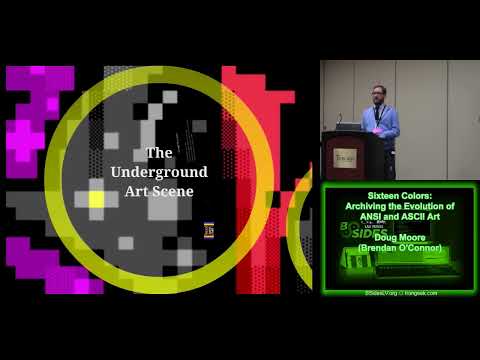
Commenters recommend it as the best introduction to the history of the ANSI and ASCII art scene.

HN recommends it as an informative review of the academic publishing business and its monopoly-like structure.

Brought up in threads on elevators and locks as an engaging talk on common keys.

HN commenters point to it in threads about medical device security and software transparency as an excellent, personal case for open source in implants.

HN shares it as an inspiring account of citizens changing Washington, especially after Swartz's death.

HN brings it up in threads on warez, cracktros and the demoscene as a funny, informative history of the piracy scene.

HN users recommend Moglen as a brilliant speaker and a top introduction to free software philosophy, and cite this talk in privacy and crypto-wars discussions.

Recommended as an entertaining talk showing that targeting software projects and introducing bugs is nothing new.

Cited again and again in GPL licensing debates as the primary source for Linus's objections to GPLv3.
HN commenters cite it as a funny and candid first-hand account of the guilt and burnout of a prolific open source developer.

Brought up in copyright, public domain and AI-training debates as a provocative argument for abolishing copyright.

HN recommends it as a definitive, nostalgic history of BBS culture whenever people ask what the pre-internet online world was like.

Shared in web3 threads as a thoughtful conversation tying Brand's long-view thinking to the decentralization movement.

Cited for the history of why containers and Kubernetes took off, though one thread critiqued the documentary itself.

Recommended as a worthwhile, full-length statement of the free software philosophy, especially around the zero marginal cost of knowledge.

Cited for a short talk that frames graphical interfaces as point-and-grunt versus language-based Unix, and for showing Moglen's regard for Stallman.

Linked in Hacker Manifesto threads as the author's own account of the essay's origin and meaning.

HN mostly brings it up as a funny, cocky artifact of the Hotz-versus-Sony fight, sometimes with a skeptical eye on how seriously he took the lawsuit.

HN commenters point to it for Google's reasons for backing open silicon and for background on the open-source chip design workflow.

HN mostly cites it for humor, with one commenter arguing the visuals work as a representation of what goes on in a programmer's mind.

Cited as an easy-to-understand framing of trusted computing and TPMs as tools that can treat users as threats.

Cited in privacy and surveillance threads as an early argument for personal servers and decentralization.

Linked as a firsthand account of the NixOS moderation and governance disputes, from a banned member's perspective.

HN points to it as an example of the founders' realistic, down-to-earth approach and their bootstrapped, lifestyle-business philosophy.

HN cites it as a fun example of novel uses of the MacBook motion sensor whenever laptop accelerometers come up.

HN posts it as a lighthearted joke link in free software and licensing threads.

Mostly referenced for jokes and for the kill -9 song, which one commenter said taught them about signals.

Used as a recurring gag or jab at Stallman's social eccentricities; not recommended for its content.

HN cites it as the introductory talk from the Open Source Ecology founder in threads on tractors, repair rights and self-sufficiency.

Cited as a historical reference when HN discusses L0pht, Mudge or Joe Grand, rather than recommended as a watch.

Cited as primary footage of web pioneers discussing the future of the internet, such as Berners-Lee's concerns.

Linked as a source for Stallman's views on copyright and skepticism of intellectual property law.

It is passed around as a favorite bit of computing folklore, and resurfaces in threads about Penzias, Ritchie and Pike.

Brought up whenever medical device security or open-source firmware in implants is discussed.

Posted as a joking reference to TempleOS and Terry Davis in unrelated threads.

Used as a running joke whenever RISC, RISC-V or processor architecture comes up.
Which of these have you already seen?
Connect YouTube and HackerTube AI hides what you've watched and ranks the rest for you.