
The most-recommended balanced take on systemd, from a BSD perspective, handed to anyone caught up in the systemd debate.
Topics › Systems, Networks & Security
The best linux & open-source ecosystems videos, according to Hacker News
92 videos about linux & open-source ecosystems that Hacker News commenters keep pointing each other to, ranked by how many separate months they were recommended. Part of Systems, Networks & Security.

HN treats it as the definitive, funny and educational answer to why X could not be fixed, and links it in almost every Wayland vs X argument.

HN points to it as the definitive, entertaining account of Sun's fate under Oracle, and quotes its Ellison lawnmower advice whenever Oracle behaves badly.

HN returns to it as Linus's own explanation of why shipping software on Linux is hard and why he dislikes GPLv3.

Go-to reference in GTK versus Qt debates, valued for a candid account from experienced developers who tried both toolkits.

HN cites it as the key explanation of cooperative, user-scheduled kernel threads and the prior art behind later async and coroutine debates.

HN commenters love it as a vivid demonstration of terminal history, explaining why tools like ed and the tty echo model work the way they do.

HN recommends it as an entertaining look at how hard notation fonts are to make, and it comes up in threads on music engraving and open source.

HN returned to it repeatedly, especially after Heartbleed, as an eye-opening argument about subverting open source and standards.

HN uses it as the go-to answer to claims that Wayland is unnecessary, from a developer who knew X's codebase well.

Cited constantly in Flatpak, packaging and ABI-compatibility debates as Linus's blunt, insightful take on shipping software for Linux.

Recommended as the go-to talk on firmware security risks, Intel ME, and why replacing UEFI with Linux speeds up and hardens boot.

HN commenters call it the best i3 tutorial on YouTube and recommend it for getting started thoroughly.

HN commenters call it a model demo video and the quickest way to see how much one developer packed into a self-hosted file server.

HN recommends it for the toybox intro and for Landley's candid account of software licensing and why he created the 0BSD license.

HN commenters recommend it as the authoritative, firsthand account of how X came to be and why it isn't GPL.

HN recommends it as a balanced, eloquent take on the systemd debate that even skeptics find persuasive.

Recommended as an insightful and entertaining critique of UNIX design choices such as file descriptors and 'everything is a file'.

HN commenters keep recommending it as the best video for newcomers who want to understand how Git works technically.

HN links it for Cantrill's entertaining epoll versus kqueue rant and his stories, such as bricking a machine with rm -rf.

HN recommends it as a phenomenal talk on Zig's C interop and on choosing between C, Rust and Zig for systems work.

HN recommends it as a talk that makes containers click, showing that containerization is not virtualization and demystifying what Docker does.

Held up as a rare success story of GPL enforcement against a Chinese hardware company, and admired for the effort.

Recommended as an engaging, non-technical history of Unix and BSD from someone who was there, and cited for specific stories like the TCP/IP stack.

Recommended as the standard documentary on the origins of GNU, the FSF and Linux.

HN points to it as an authoritative overview of the kernel's email-and-git workflow and its development rate.

HN uses it constantly as the reference for the argument that either the user controls the software or the software controls the user, and it is recommended as a basic introduction.
HN links it for individual clips: the Nvidia moment, his views on C and his blunt communication style. Some commenters say the whole talk is worth watching.

Recommended as an approachable, detailed look at console hardware architecture, FreeBSD in the PS4 and console hacking.
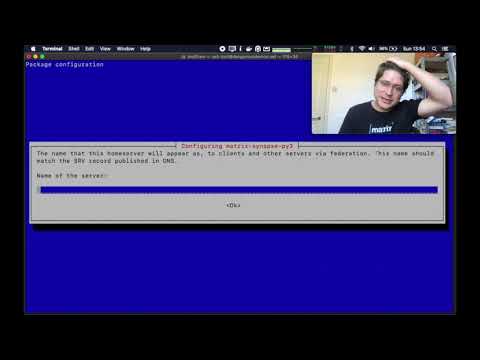
Recommended as a practical demonstration that self-hosting a Matrix server is fairly easy, even on a small droplet.

Recommended for the SQLite author's reasoned case for a different approach to version control, and as an introduction to Fossil.

Recommended as a funny, fascinating tour of how bad the OpenSSL code was and what cleanup looks like.

HN points to it as the canonical overview of pledge and the ideas behind OpenBSD's exploit mitigations.

Pointed to as a rare look at how a tiny engineering team ran WhatsApp's massive scale on FreeBSD and Erlang.

HN points to it as an entertaining deep dive on Linux emulation on SmartOS and on how the Solaris kernel and libc are tightly coupled.

HN points to it as the long first-person account of Linux history, including Linus on the GPL's role and on microkernels.

HN recommends it as the definitive explanation of XFS metadata performance fixes and how XFS was developed and made robust on Linux.

Used in software bloat debates as a measured look at why binaries got larger.

Cited again and again in GPL licensing debates as the primary source for Linus's objections to GPLv3.

Pointed to as an entertaining, informative explanation of why UEFI is troublesome, from a Linux UEFI developer.

HN points to it as a vivid example of the clash between two philosophies of Linux desktop design, often in systemd and Wayland arguments, though many find it disrespectful.

Whenever Wayland versus X comes up, HN points to this talk as the authoritative explanation from an X maintainer of why X was replaced.

HN threads link it as the primary source for Matrix's performance claims and sliding sync improvements.

Recommended as a great overview of Qubes OS and how its compartmentalization works in practice.

HN points to it as the authoritative source for how WSL2 works and why Microsoft rebuilt it.

HN cites it in threads on Linux desktop application distribution as a clear treatment of why binary compatibility and static linking are hard.

HN points to it as the video explanation of how RAID-Z expansion works without block pointer rewrite.

HN uses it as the key reference in arguments about Micay's conduct and GrapheneOS leadership, with some defending it and some urging skepticism.

Cited for insight into the hard realities of Linux input handling and libinput's thinly staffed maintenance.

HN commenters cite it for the history of open source at Sun and Oracle, and for Cantrill's explanation of licensing choices.

HN mines it for Torvalds's opinions, such as ECC RAM, AI hype, and his desktop setup, and as a rare long informal interview.

Recommended in Intel ME threads as essential viewing on x86 trust and auxiliary processors.

Recommended as a worthwhile, full-length statement of the free software philosophy, especially around the zero marginal cost of knowledge.

Cited for a short talk that frames graphical interfaces as point-and-grunt versus language-based Unix, and for showing Moglen's regard for Stallman.

HN commenters cite it when discussing stagnating desktop UX, Apple's design decline, and open source's chance to experiment with new interaction models.

Recommended as the authoritative, first-hand telling of BSD lore whenever Unix and BSD history comes up.

HN uses it as the reference for Linus's stance on rudeness and respect in debates about civility and gratuitous negativity.

HN mentions it as a cool VR desktop idea from the Arcan author's demo channel, even if somewhat a novelty.

HN commenters link it when people ask about cross-platform game development and for details like SDL's licensing change.

Cited in init-system and Unix debates as FreeBSD's stance on launchd versus systemd, and recommended for its view of FreeBSD's future.

Pointed to in OpenBSD and virtualization threads for Theo's candid views on security mitigations and supporting modern x86 VMs.

Cited as a casual, insightful conversation with Cantrill, and referenced for his views on containers and unikernels.

Cited as the authoritative overview of kernel hardening goals and priorities, including Cook's car-safety analogy for kernel security.

Cited as an accessible, documentary-style account of the XZ backdoor in supply chain security discussions.

Linked for the Microsoft talks on WSL GUI support and how WDDM drivers map into the Linux VM.

Shared as a demo of a minimal Inferno-based phone OS and an unusual dumb-phone approach.

Linked as a firsthand account of the NixOS moderation and governance disputes, from a banned member's perspective.

Referenced in security discussions as an example of defense-in-depth sandboxing for a desktop Linux environment.

HN mentions it as a sign of Linux reaching millions of non-technical viewers, with some finding it funny and others fascinating.

HN cites it as the Netflix case for staying close to -CURRENT and upstreaming changes.

HN commenters cite it for Linus's direct opinions on Git and development tooling, such as calling the SHA-256 migration pointless churn.

HN points to it as a practical reference for the Linux-VM-on-Mac workflow and as an entry point to NixOS.

HN mostly cites it as evidence of Linux's rough edges for ordinary users, including the Steam install that removed the desktop environment, and it prompted an apt fix.

HN cites it as an example of 3D desktop eye candy that was famous and popular, and of how effects can be overdone.

Cited as the source clip whenever threads discuss government pressure, backdoors, or trust in the Linux kernel.

HN commenters cite it as reviewer evidence that games run faster and with better battery life on Linux/SteamOS than on Windows on identical hardware.

HN quotes it as a joke whenever OS complaints and comparisons come up.

HN commenters cite it, mostly critically toward GrapheneOS, as the source for the CalyxOS side of the dispute.

Cited as the primary source for why Netflix uses FreeBSD and UFS rather than ZFS on its CDN boxes, and for its GPL reasoning.

HN cites it as shorthand for the long-running frustration of the Linux community with Nvidia's drivers, often as a joke or background.

HN references it as the explanation of how Valve uses containers for Linux game compatibility.

HN references it when people ask about dev machines and to show how large the CPU and cooler are.

Mostly cited as evidence of the friction between kernel maintainers and Rust developers, notably in Wedson Almeida Filho's resignation.

Cited as an existing example of 3D or spatial desktop shells and what Wayland compositing makes possible.

Cited in discussions of maintainer burden and why companies benefit from upstreaming drivers, as an explanation straight from a lead kernel maintainer.

Cited as Terry Davis in his purest form, and for his analogy of what an OS is to its user.

Cited whenever Nvidia's relationship with open-source and Linux drivers comes up.

HN cites it for Linus's remarks on code taste, his self-description as an engineer rather than a visionary, and the growth of Linux.

HN points to it as credible, methodical benchmark data in Linux-versus-Windows gaming discussions.

HN uses it as a quick citation of Alan Kay's dislike of Linux, in threads questioning whether the Unix way is the final word.

Cited whenever Nvidia's Linux driver behavior comes up, as the famous example of the kernel community's frustration.

HN commenters cite it as the widely seen nostalgic video from the era when Linux desktop effects outpaced Vista.
Which of these have you already seen?
Connect YouTube and HackerTube AI hides what you've watched and ranks the rest for you.