
Frequently recommended in autonomous vehicle and Waymo threads as the main counterargument, a long but worthwhile video essay on how self-driving cars could affect cities.
Topics › Engineering, Transport & Making
The best transit, cities & urban planning videos, according to Hacker News
173 videos about transit, cities & urban planning that Hacker News commenters keep pointing each other to, ranked by how many separate months they were recommended. Part of Engineering, Transport & Making.

HN links it constantly as the standard introduction to stroads and Strong Towns-style arguments about car-centric design.

Strongly recommended as the entry point to a channel on urban planning and car dependency in North America.

HN keeps pointing to it as the clearest explanation of how low-density infrastructure is financed and why it is unsustainable.

Recommended again and again in traffic-safety threads as an eye-opener on road design versus posted limits and driver behavior.

HN cites it constantly in threads on noise, EVs and car-free cities as the source that cars, not cities, are loud.

HN links it whenever someone claims cold or snow rules out cycling, as the concise rebuttal that infrastructure and maintenance decide it.

HN uses it as the standard short answer to whether car-dominated cities can become bike-friendly, since the Dutch had to fight for it.

HN commenters recommend it as the go-to explanation of Japanese zoning in housing and urbanism debates.

Recommended as the argument that better alternatives to driving also improve things for drivers, and as an introduction to Dutch urban planning.

Linked in urbanism and car-dependence threads as a concise case for walkable fresh-food shopping.

HN recommends it as an in-depth tech talk for urban planning, full of small design touches that make cycling safer.

HN people recommend it as the best introduction to why sprawl and car dependence are fiscally unsustainable, often pointing to the whole series.

Cited constantly as the name and example of the 'but sometimes' argument, where edge cases are used to resist better technology such as EVs and solar.

HN users repeatedly post it to rebut the idea that urban living means Manhattan or Hong Kong apartment blocks.

HN repeatedly cites it as the best skeptical engineering analysis of why Hyperloop is impractical.

The standard link in threads about child autonomy, helicopter parenting and car-centric planning.

It is HN's default link whenever vehicle size comes up, with commenters recommending it for the history of the light-truck loophole and the safety effects of tall bumpers.

Recommended as an introduction to the finances of suburban sprawl and its long-term consequences.

HN cites it as a concise, well-illustrated explanation of traffic flow, in threads on congestion, self-driving cars and driving habits.

HN recommends it as a short, solid walkthrough of why American trains are slow and limited, most notably because freight gets priority.

Cited repeatedly in e-bike threads as a well-argued safety counterpoint from someone who rides both.

Recommended as a fun but well-researched explanation of why parking requirements are arbitrary and harmful.

HN likes it as a fun, clear explainer of traffic waves and of the benefits of leaving gaps while driving.

HN recommends it as a clear illustration of how parking requirements produce car-centered, unwalkable American urban design.

The go-to link in urban planning threads for the claim that suburban infrastructure costs more per resident than it pays back.

It is HN's go-to concrete example of how local regulation and NIMBYism block new housing in San Francisco and California.

Recommended in threads on suburbs, energy and urbanism as an entertaining, if biased, case for suburbia's dependence on cheap oil.

HN people cite it in threads on vehicle size and safety as a clear explanation tying grille height to deaths.

HN commenters link it in zoning, housing and car-dependency threads as an accessible explanation of how single-use zoning and parking rules shape cities.

HN recommends it as a clear treatment of induced demand across transport modes whenever threads debate road expansion versus transit.

Recommended as the entertaining, skeptical overview of Neom whenever its progress comes up.

Recommended as the standard short overview of missing middle housing and its link to zoning reform.

Recommended in urban planning and housing threads as a concise summary of what makes cities livable and beautiful.

HN recommends it whenever fitness, aging or cycling comes up, as the clearest statement that city design is the best public health investment.

HN points to it as a clear introduction to why widening roads fails and why transit-only lanes matter.

HN cites it to show that cycling infrastructure also serves disabled and mobility-impaired people.

HN points to it in housing-cost threads as the standard example of government-built housing keeping rents down.

HN brings it up in any thread about German or European rail as a data-driven, entertaining analysis of why trains are late.

HN commenters recommend it as an accessible introduction to scaling laws and to why cities keep growing while companies and organisms eventually die.

Recommended as relaxing slow-TV, a long scenic video to unwind with.

HN recommends it as a comprehensive, still-accurate and often funny account of how zoning and policy force suburban sprawl.

HN users cite it as the standard rebuttal whenever someone says that America is too big for rail or good urban design.

HN cites it for the systems-over-blame view of road safety and for Dutch infrastructure design.

Cited in threads on cars, streets and urbanism as evidence of how mixed traffic worked before cars took over.

HN commenters point to it in road safety and pedestrian death threads as the practical alternative to US road design.

Cited in urbanism threads as a clear argument that car-dependent suburbs impose traffic on everyone.

HN links it in rail-versus-air threads as a clear cost breakdown of American passenger rail.

Recommended in urbanism threads as a well-sourced account of how car dependency was manufactured.

HN uses it as the go-to short video when threads compare Chinese and US rail and infrastructure.

Cited in threads about cyclist safety and traffic law as an explanation of why removing stop signs can improve safety.

HN users point to it as a vivid example of how simple, intentional street design makes a big difference for pedestrian safety.

HN recommends the channel for understanding why North American road design makes cycling dangerous and how the Dutch approach differs.

HN commenters cite it as an entertaining but well-sourced explainer on US zoning and housing costs whenever those topics come up.

It is the standard citation in HN housing debates for showing that dense cities can still have affordable single-family homes.

HN recommends it as a methodical argument that many US city pairs make economic sense for high-speed rail.

HN commenters point to it as the primary source for what the company is actually proposing, in threads skeptical of the project.

Recommended in privatization and rail threads as a clear, well-sourced explanation of the UK rail mess.

HN links it whenever office-to-residential conversion comes up, as a good deep dive into why the idea is not simple.

HN recommends it as an engaging introduction to the critique of car-centric design and bad architecture.

Used as the go-to visual demonstration of A-pillar blind spots and badly designed junctions.

HN points to it as proof that government-provided housing can be attractive, in housing and homelessness threads.

HN people link it in threads on big vehicles and road safety as a comparison of US and Dutch fire department approaches.

The canonical reference on flag and logo design principles, cited in branding and design threads.

HN commenters cite it whenever passenger rail delays or expansion come up, as the clearest explanation of freight priority over Amtrak.

Recommended in housing threads as a decent dive into the problem and possible long-term solutions.

HN commenters recommend it whenever London cabbies and the Knowledge come up, as an interesting if slightly dated look at the process.

HN commenters link it as a clearer explanation of induced demand for people who have not studied the topic.

Recommended in threads on German rail as the data-backed explanation of how reported punctuality understates real delays.

Linked in self-driving and car-dependence threads as an example of small vehicles that help disabled and elderly people without full-size cars.

HN commenters share it as a favorite example of upscaled vintage footage that makes the early 1900s feel present, though some find the colorization off.

Cited as the legendary extreme SimCity build, and recommended as fascinating viewing with the creator's commentary.

Used as the go-to critical, first-hand overview of the Vegas Loop in threads about the Boring Company.
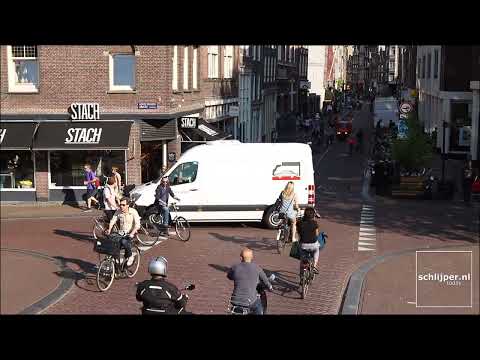
Cited in urbanism and self-driving threads as a vivid example of dense mixed traffic working through infrastructure and culture.

Pointed to in helmet-law debates as a watchable argument that helmet mandates may cost lives by discouraging cycling.

HN commenters link it in housing and urbanism threads as a clear explanation of unsustainable car-oriented development and fragile systems.

HN commenters share it as a good overview of car-light street design and its effects in discussions of car-centric cities and the 15-minute city.

Pointed to as a detailed example of converting a dying mall into housing.

HN cites it in zoning, density and housing threads as an illustration of the missing middle between city center and car-dependent sprawl.

Cited as a view into how outdated and error-prone NYC subway signaling is, and how antique interlocking systems work.

Recommended in transit threads as a clear video essay on why American transit fails: infrequent, isolated and car-oriented surroundings.

HN uses it as a high-level intro to how US megaprojects get stalled by regulation, litigation and local demands.

HN cites it as an example of a business park that is drivable yet bike and transit friendly, in urbanism and transport threads.

HN uses it as a good explanation of how US zoning and economics produce sameness.

HN people link it in discussions of taxi drivers' spatial memory and how cabbies handle roadworks and traffic.

HN points to Geller's essays as accessible companions to literary works and as a good summary of a story.

HN commenters share it in housing and single-stair egress threads as an enjoyable, accessible explainer of the two-stair rule.

HN commenters point to it as a brief, accurate insider overview of what went wrong with oversupplied dockless bike sharing.

Used as the standard reference for what genuinely smart traffic signals look like, in threads about traffic engineering and self-driving cars.

HN recommends the channel for short, wry videos on obscure topics, and this one is cited as an example of gaming rules via a loophole.

Pointed to as a concise explanation of land value tax and its effect on city finances.

HN cites it as the go-to documentary on how car-industry interests undermined US transit.

HN commenters reach for it whenever cargo bikes come up as a practical car replacement for families.

HN commenters cite it as a concise illustration of how the Netherlands narrowly avoided car-centric planning and then built its bike culture.

HN uses it as shorthand for the argument that car dominance was manufactured by deliberate propaganda.

Recommended in housing and architecture threads for its engineers' critique of five-over-one construction.

Cited in urban planning threads as an accessible explanation of why low-density suburbs cost more to maintain than they bring in.

Cited in cycling and helmet discussions as the standard explanation of the Dutch bike and its safety benefits.

Recommended in urban planning threads as a clear account of suburban municipal finance.

HN cites it as proof that infrastructure can be rebuilt very fast when incentives and urgency line up.

Linked in transit and infrastructure threads as a general explanation, with one commenter drawing the point that good transit depends on networks.

Linked in housing and urbanism threads as a fun, deliberately provocative case that dense blocks are better than their reputation.

HN uses it as visual evidence that cycling can move huge numbers of commuters in little space.

HN shares it whenever the Wuppertal suspended railway comes up, as a neat then-and-now comparison.

Cited in street-safety and self-driving threads as a picture of chaotic, shared streets before cars dominated.

HN finds it fascinating and suggests the technique for keeping operators like test drivers attentive.

Cited as a solid overview of the railroad safety problem, including the push toward longer trains and single-person crews.

HN users cite it as a short, inspiring look at the Dutch approach to bike-friendly urban planning.

HN cites it as the best-known example of a citizen quietly fixing public infrastructure, often in threads on unsanctioned civic repairs.

Mentioned in threads on stroads and road safety as an example of the channel's critique of wasteful car infrastructure.

HN uses it as the standard reference for how the Netherlands solves cyclist and driver conflicts at intersections.

Mentioned as a fun old documentary and as an example of fast track work and of period BBC presentation.
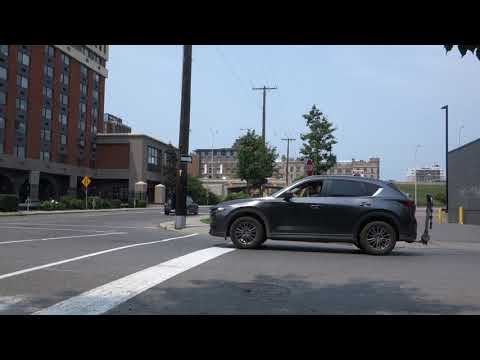
Linked in threads on the Idaho and Colorado safety stop as evidence that drivers already roll stop signs.

It is the go-to demonstration HN links whenever traffic shockwaves, phantom jams or cascading failures come up.

HN uses it as the standard primer for the point that Houston's 'no zoning' is a misconception, since its rules produce similar effects.

HN links it as a great, surprising explanation whenever rail wheels, gauge or curves come up.

Recommended as a short, comprehensive look at Dutch junction design, often cited when discussing intersections as a solved problem.

Linked in road-safety threads as a good explanation of how street and signal design prevent pedestrian deaths.

HN cites it in threads on sprawl, density, and climate, especially for the point that everything is a short bike ride from downtown Amsterdam.

Cited in housing and real estate threads as a vivid illustration of extreme scarcity and Hong Kong's land-price dynamics.
Which of these have you already seen?
Connect YouTube and HackerTube AI hides what you've watched and ranks the rest for you.