
HN repeatedly recommends it as the deepest public look at how iCloud Keychain and Apple's device and cloud security are designed.
Topics › Systems, Networks & Security
The best security & hacking videos, according to Hacker News
191 videos about security & hacking that Hacker News commenters keep pointing each other to, ranked by how many separate months they were recommended. Part of Systems, Networks & Security.

HN treats it as the go-to layperson-friendly argument against e-voting and links it in nearly every voting-technology thread.

HN considers it a classic, hilarious and sobering talk on ML inscrutability and tech hubris, often rewatched.

Cited repeatedly to rebut 'just don't use Facebook' arguments and to explain why tracking becomes hard to escape at critical mass.

HN commenters call it one of the best security talks and the standard introduction to LANGSEC, which they use to argue for simpler, well-specified input formats.

Recommended whenever DNA testing, CRISPR or bioweapons come up, often as the talk that made commenters decide to keep their DNA out of databases.

HN commenters call it an absorbing, entertaining deep dive on elevator security and the go-to link whenever elevators come up.

HN fans call it a favorite engineering video and a showcase of Tom7's masterpiece-level, playful hacking.

HN calls it a legendary, clearly explained hacker talk whenever mov-only computing or anti-decompilation comes up.

HN commenters repeatedly recommend it as the best explanation of why the CA system is broken and what alternatives exist.

HN recommends it as the definitive technical deep dive into Stuxnet's zero-days from someone who analyzed it first-hand.

Praised as a charismatic, engaging talk with practical security lessons, like why credit cards protect you better than debit cards.

HN treats it as the go-to talk on OPSEC and pseudonymity, recommended in threads about Tor, Silk Road and staying anonymous online.

HN recommends it as a clever, entertaining and easy-to-follow talk on finding hidden x86 instructions with the Sandsifter tool.

HN points to it constantly in console, DRM and hardware-security threads as the authoritative account of Xbox One's threat model.

Cited over and over as an important talk, with commenters borrowing its ideas on cheap surveillance, offense-favoring security and liability.

Recommended as a funny but depressing investigation, and the usual link in threads on predatory publishing and fake citations.

HN repeatedly points people to it as the clearest way to finally understand OAuth, to the point that one team made it required viewing for new hires.

HN keeps pointing to it as a long, fascinating talk on cryptographic, verifiable voting whenever e-voting security comes up.

It is the go-to short explainer HN commenters link whenever e-voting, voting machines or online voting come up.

It is the usual cite for why good OPSEC is so hard, including entry and exit point correlation and digital exhaust.

Recommended repeatedly as the best account of container history and how Zones built on and went beyond Jails.

HN brings it up in any thread about elevators or physical security as a fascinating, entertaining deep dive.

HN commenters call it one of the most entertaining and informative con talks, and a good window into elevators from a hacker's view.

Regarded as one of the coolest talks ever, with a futuristic binary visualization demo that has inspired later tools.

Called a classic CCC talk, and the Xerox bug is cited as a cautionary tale about trusting scans and digitized archives.

HN people point to it as the sober, technically grounded picture of hardware supply chain security, and an eye-opening one.

HN repeatedly recommends it whenever fake deaths, identity verification or records fraud come up, praising how easy the attack seemed.

Frequently linked as an entertaining and alarming account of OpenSSL code quality and why the fork happened.

HN returned to it repeatedly, especially after Heartbleed, as an eye-opening argument about subverting open source and standards.

HN recommends it as an entertaining overview of physical pen testing, and cites it when threads discuss how easily doors and locks are bypassed.

HN cites it whenever people discuss rebuilding the web platform or what a better browser architecture could look like.

HN points to it as the classic overview of why TLS certificate trust is flawed, and it resurfaces whenever CA or HTTPS security comes up.

Recommended as the go-to talk on firmware security risks, Intel ME, and why replacing UEFI with Linux speeds up and hardens boot.

HN recommends it as a must-watch catalogue of C++ footguns, often cited in debates about Rust and C++ safety.

HN recommends it, and Jordan's wider Flock series, as a well-documented look at the poor security of these surveillance cameras.
HN points to it as an entertaining and informative explanation of the economics of reshipping and stolen-card resale scams.

Strongly recommended as a formative talk on privacy, especially for its argument that voting with your feet fails as a privacy strategy.

HN points to it in lock-security threads as a good example of engineering meeting real-world exploitation, where flaws unrelated to the headline mechanism get found.

Recommended as an entertaining and well-explained talk on anti-reverse-engineering tricks.

HN commenters point to it whenever the question is how far hardware can be trusted, including FPGAs, supply chain attacks and firmware TPMs.

HN commenters recommend it as an entertaining demonstration of how scanners and antivirus software fail on unexpected input.

HN regulars treat Domas as a favorite hacker and bring this talk up in any discussion of CPU backdoors, hidden instruction sets or processor security.

HN commenters call it a passionate and educational history of locks and physical security, and a good starting point for the subject.

HN people recommend it for a first-hand view of how Tor holds up in practice, from someone who had to rely on it.

Regarded as a favorite practical walkthrough of chip decapping, linked in threads on die shots, hardware backdoors and key extraction.

HN commenters say it permanently changed how they think about inspecting binary data, and point to it as the origin of visual binary analysis tools.

HN recommends it as an entertaining talk and the original source on the stripping attack that motivated HSTS.

HN points to it to show that most Tor busts came from poor operational security by the user rather than a flaw in Tor itself.

HN recommends it as a fascinating, authoritative account of console hardware security, often cited in threads on hardware security and anti-cheat.

HN people recommend it as a clear explanation of encrypted messaging challenges and of the thinking behind Signal.

HN people recommend it, along with the Lock Picking Lawyer's response, as an engaging look at lock design and how clever mechanisms get bypassed.

HN cites it as the go-to overview of what SIM cards can run and do, usually in threads about Java Card, SIM attacks or phone security.

HN recommends it as an interesting talk on how weak real-world door security is, and cites it for the stories of bad doors.

HN points to it when discussing exposed IoT and industrial devices, as an eye-opening look at how much is reachable online.

Recommended as a non-technical, concrete case study of how metadata and phone records expose covert operations.

Cited whenever aviation or vehicle communication security comes up, as the standard demonstration that ADS-B is naively designed and trivially spoofable.

Shared in simulation-argument threads as an entertaining, hacker-minded take, though some commenters criticize Hotz himself.

It is a repeat pick in 'favorite tech talk' threads as a funny, eye-opening look at how easily physical security and people can be bypassed.

Mentioned alongside The Cuckoo's Egg as the screen version of an early computer-security detective story.

Recommended as an approachable, detailed look at console hardware architecture, FreeBSD in the PS4 and console hacking.

HN commenters call his x86 internals talks spectacular and mention them whenever low-level processor surprises come up.

Recommended as a documentary telling the early hacking and spy-hunting story, with the original people involved.

HN people cite it to show even technical users fall for phishing and that hardware security keys are the real fix.

Brought up in threads on elevators and locks as an engaging talk on common keys.

Used as the primary source for Apple's stated plan to make Swift its successor to C++ and for how interop supports gradual transition.

Recommended as a funny, engaging look at how Perl's quirks create real security vulnerabilities.

HN users recommend it as an amusing, practical overview of padlocks from cheap to high security.

Recommended as the author's own explanation of the design and security of magic-wormhole.

Recommended as a funny, fascinating tour of how bad the OpenSSL code was and what cleanup looks like.

Recommended as a practical talk on privacy and anonymity options, including diskless laptops running Tails.

HN points to it whenever hard drive destruction or fast physical data wiping comes up, as an empirical test of what actually works.

HN commenters point to it as a well-researched primer when airport security theatre and Israeli-style screening come up.

HN recommends it as a gripping look at what nation-state attackers can do, used as the primary source in threads about iPhone security and Kaspersky.

HN cites it as a concrete demonstration that LLMs have suddenly become strong at finding and exploiting vulnerabilities.

HN commenters point to it in threads about medical device security and software transparency as an excellent, personal case for open source in implants.

Recommended as a thorough preparedness talk, and cited for specifics such as lawyers, password managers and gun ownership.

Recommended as a fun, practical talk on why bit flips matter for security, and cited in ECC memory discussions.

Held up as a favorite tech talk and a great hard-debugging story about patching a game binary.

HN admires it as a creative hack and cites it as the inspiration for later tiny-game and QR-code projects.

HN points to it as the canonical overview of pledge and the ideas behind OpenBSD's exploit mitigations.

HN commenters point to Kitboga as an entertaining, righteous example of wasting scammers' time.

HN points to it as a fun, technically deep talk that makes memory-safety bugs vivid through a beloved game.

Cited as a must-watch persuasive case for HTTPS everywhere.

HN commenters cite it as a compelling demonstration that metadata identifies people, and as a great watch on sloppy CIA tradecraft.

Recommended as a gripping real-world hardware hacking story and a showcase of Joe Grand's skill.

HN recommends it as an amazing, entertaining talk and cites it in threads on power-line sabotage and coup tactics.

Referenced in debates over Chrome hiding URLs as a compelling case for why full URLs are hard even for experts.

Recommended as a rare insider look at Apple's security architecture and the reasoning behind its hardware choices.

HN points to it as a deep dive into the surveillance features of North Korea's OS and the extent of that state's digital tracking.

HN uses it as the primary source for Microsoft's Rust adoption and its reasoning on TPM and security requirements.

HN points people to it as the short, accessible account of how Stuxnet was dissected, usually when Stuxnet or state-sponsored malware comes up.

HN repeatedly cites it for Midori lessons: compatibility matters for adoption, and the Windows team stayed sceptical even with Midori running real workloads.

HN recommends it as the primary source on Sony's ECDSA nonce-reuse blunder and the history of console cracking.

HN lists it among favorite nerdy documentaries and enjoys hearing Stoll tell the story himself.

HN people cite it as an approachable, hands-on introduction to hardware and firmware reverse engineering, and as the author's own account of the Thinkpad keyboard patch effort.

Shared as a funny example of jailbreaking AI voice bots, and as the source of the bolognese prompt-injection phrase.

HN points to it as a good overview of Chip and PIN attacks and the consumer-liability downsides.

Named as a favorite LPL video, where a skeptical locksmith's challenge gets answered quickly.

HN recommends it as the best calm explanation of unsafe Rust, from a speaker commenters trust on the topic.

HN recommends it as the video version of the argument that JOSE/JWT is a flawed standard, and as a help in understanding token design choices.

Pointed to as an entertaining, informative explanation of why UEFI is troublesome, from a Linux UEFI developer.

Recommended as a clear account of the craft of reading chips from photographs.

HN cites it in ECC memory debates and bit-flip discussions as concrete evidence that memory errors have real security consequences.

HN mostly cites it as a notorious piece of McAfee lore, usually jokingly, whenever John McAfee or antivirus uninstallation comes up.

The standard reference whenever HN discusses the Xerox scanner bug or AI and compression that fabricates content.

Recommended as a great overview of Qubes OS and how its compartmentalization works in practice.

HN points to it as a fascinating inside look at how Indian scam call centres operate, often when scams come up in discussion.

HN points to it as in-depth independent coverage of Flock license-plate cameras and their security and surveillance problems.

HN points to it in AI music and data-poisoning threads as the source for this technique.

HN commenters cite it as the canonical thought experiment whenever authentication failures, account compromises or Google outages come up.

HN uses it as the key reference in arguments about Micay's conduct and GrapheneOS leadership, with some defending it and some urging skepticism.
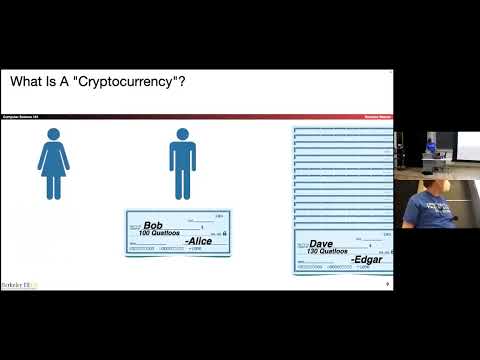
HN commenters offer it as an expert, skeptical overview of what cryptocurrency actually is and its weaknesses.

Cited in hardware-trust and supply-chain threads as a concrete, startling demonstration of chip-level backdoors.

Cited in discussions of open firmware and trust as a thorough reverse engineering of the PSP.

HN points to it as an entertaining, jaw-dropping demonstration of exposed systems, including a French dam's controls.

HN cites it as the best explanation of how Persona's provisioning and login work, and of why it used email addresses as identity.

Recommended as a jaw-dropping demonstration of how insecure embedded printer firmware is.

Recommended in Intel ME threads as essential viewing on x86 trust and auxiliary processors.

HN cites it as the foundational demonstration that SS7 is insecure, relevant to arguments about SMS-based two-factor authentication.
Which of these have you already seen?
Connect YouTube and HackerTube AI hides what you've watched and ranks the rest for you.